
Liver Health
The Normal Liver
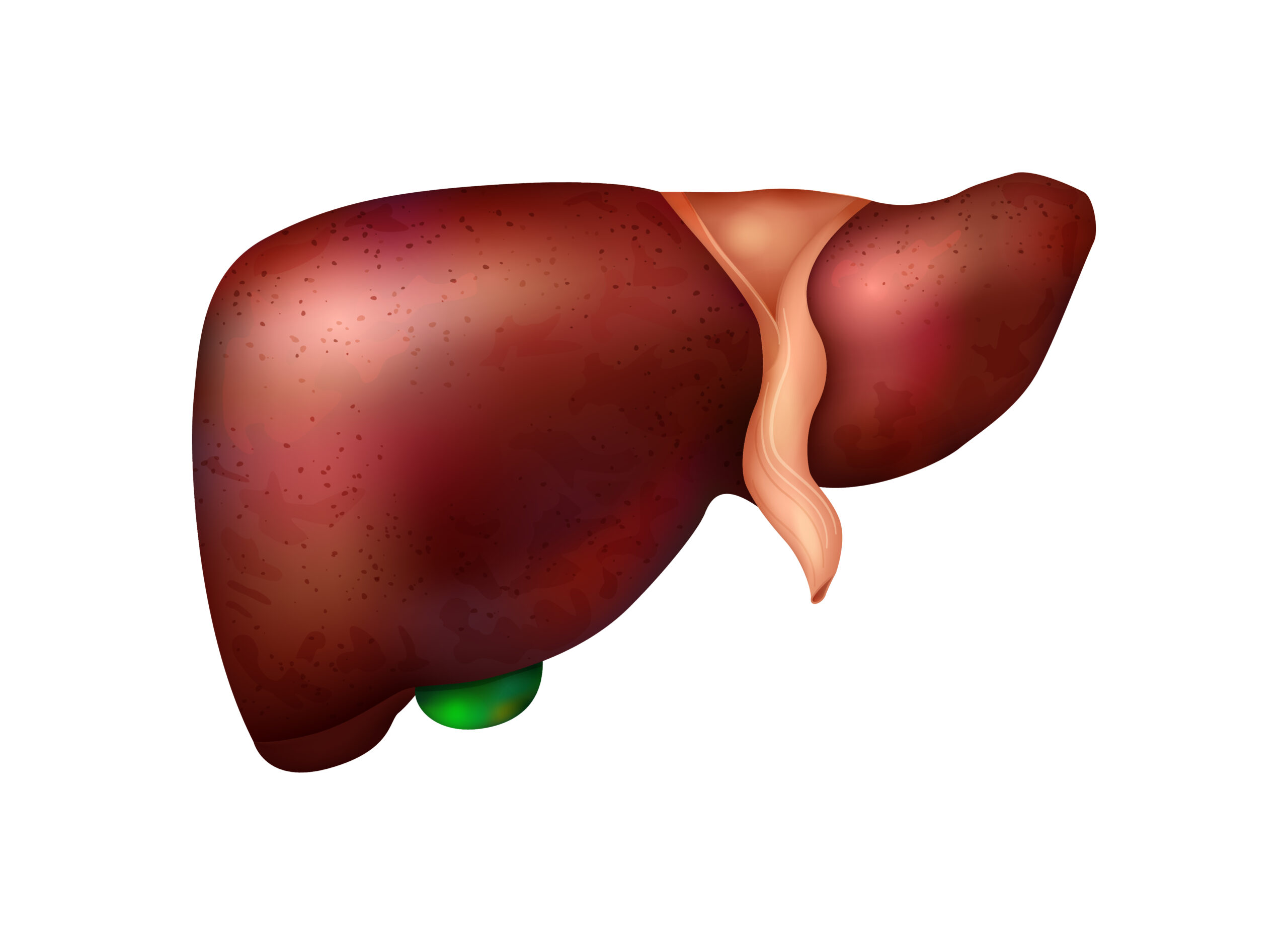
The liver has many important functions, which keep the body working normally
Liver Functions



Liver Function Tests
An enzyme is a protein that helps to speed up chemical reactions and many enzymes are found in a variety of cells in the body. Liver cells contains lots of enzymes. When liver cells are damaged, the enzymes leak out into the bloodstream causing the blood level of these enzymes to rise. The blood levels of these enzymes are therefore good indicators of liver cell damage.
Bilirubin
Bilirubin is the main bile pigment in humans which causes the yellow discoloration of the skin and eyes called jaundice. Bilirubin is formed primarily from the breakdown of red blood cells. These breakdown products of the red blood cells are removed from the blood stream by the liver and secreted into the bile by the liver. Normally, the amount of bilirubin circulating in the blood is very low. However, conditions which cause increased formation of bilirubin, (such as destruction of red blood-cells), or conditions which reduce removal from the blood stream (such as liver disease) may result in an increase in the level of bilirubin in the blood. High levels of bilirubin cause jaundice.
Alkaline Phosphatase
This enzyme level is increased in a large number of conditions that block or reduce the flow of bile out of the liver, such as gallstones or a mass or cancer blocking the bile duct. Other conditions such as injury to the bile ducts from a drug like an antibiotic or injury to the bile ducts cells following an alcohol binge (in alcoholic liver disease) may blocking the flow of bile in the smaller bile ducts within the liver. However, alkaline phosphatase is also found in other tissues such as bone. So doctors will also look at the GGT levels to be certain that the elevation in alkaline phosphatase is due to a liver problem.
AST and ALT
Alanine aminotransferase (ALT) and Aspartate aminotransferase (AST) are enzymes that are found in liver cells (hepatocytes) which help to process proteins. When the liver is injured or inflamed (such as in acute or chronic hepatitis), the level of ALT in the blood usually increases as the damaged liver cells leak the enzymes out into the bloodstream. ALT is more specific for liver disease than AST because AST can also be found in cell in the heart and muscle. The AST level in the bloodstream can therefore be high after a heart attack.
Albumin
Albumin is a major protein which is produced by the liver. In chronic liver diseases, the amount of albumin produced becomes reduced as the disease progresses. Therefore, in advanced liver disease such as cirrhosis, the level of the albumin in the serum or bloodstream may be reduced.
GGT
Gamma Glutamyl Transpeptidase or GGT’s enzyme level is often elevated in liver disorders but can also be elevated in a wide range of other conditions such as diseases of the kidney, pancreas and prostate. However, when both the GGT and the alkaline phosphatase are elevated, doctors will look at liver causes first as the most likely explanation of the elevation.
Tips for a Healthy Liver
Reduce Alcohol
We are often told that too much alcohol is bad for us, and you may have wondered when sipping a glass of wine or beer how alcohol affects your liver.
Your liver can cope with drinking a small amount of alcohol. However the liver can only handle a certain amount of alcohol at any given time, so if you drink more than the liver can deal with by drinking too quickly, or drinking too much over a short period of time, the liver cells (hepatocytes) struggle to process it. When alcohol reaches the liver, it produces a toxic enzyme called acetaldehyde which can damage liver cells and cause permanent scarring, in addition to other organs such as the stomach lining causing gastritis or peptic ulcer disease.
If you continue to drink excessively, either through binge drinking or by having multiple drinks on a daily basis, the consequences include destruction of liver cells, a build-up of fat deposits in your liver (fatty liver), or liver inflammation (alcoholic hepatitis), permanent scarring (cirrhosis) or even liver cancer.
Guidelines for low risk weekly alcohol consumption suggest up to 11 standard drinks in a week for women, and up to 17 standard drinks in a week for men. Drinking no more than six standard drinks on a single occasion reduces the risk of alcohol-related injury arising from that occasion. Drinking more than six standard drinks on any one occasion is regarded as binge drinking. Remember it is the amount of alcohol – not the type – is what matters.
AskAboutAlcohol.ie is a HSE website that provides dedicated information about alcohol risk and offers support and guidance to anyone who wants to cut back on their drinking. Keep in mind that alcohol can have varying effects on you depending on; age, gender, mental health, drug use and medical conditions, so balance a glass of your preferred alcoholic beverage with some thought about the associated risks.
Be Aware of Drug Safety
With easy access to health information via the internet, you may be tempted to self-diagnose and treat your own health problems. But by not consulting a doctor, you may be putting yourself at risk for potentially hazardous side effects that can result when certain medications and/or supplements are combined.
As the main organ that detoxifies most drugs, herbal remedies and vitamins, the liver is vulnerable to the toxic consequences of self-medicating. In recent years, herbal remedies such as kava have made headlines for their harmful effects on the liver, yet it is only one of many herbal remedies that can cause liver toxicity. There have also been concerns about the potential for accidental over-dosing with paracetamol when several products containing this drug (i.e. cold remedies and pain medication) are taken at the same time.
People may not realise that any medication – herbal or pharmaceutical – undergoes important chemical changes when processed by the liver. While the original product might not be considered harmful, the resulting by-products may be toxic to the liver. Also, the interaction of one medication with other medications, or when combined with alcohol, may cause complications for otherwise healthy people.
Those who already have liver problems have to be especially careful and may not be able to take even the most ordinary over-the- counter remedies to treat common ailments like headaches or colds. Always consult your doctor or pharmacist before taking new medication.
Avoid Fad Diets
Fad diets that make your weight yoyo can put excessive stress on your liver. Avoid any products that promise large amounts of weight loss in an unrealistically short period of time. Aim to lose weight at a healthy rate of 0.5 -1kg per week. Liver cleansing and detox diets should also be avoided. Contrary to popular belief, no particular diet is liver cleansing, but a healthy diet improves general wellbeing.
Have a regular MOT
A blood test is the best way to keep a keen eye on the levels of cholesterol and glucose in your blood – all of which are associated with fatty liver disease. Too much glucose can be an indication that you have impaired glucose tolerance or diabetes – in both cases you’ll need to carefully control your blood sugar levels through diet, medications and/or weight loss.
Have you ever experimented with intravenous drugs? Did you have a blood transfusion, or organ transplant prior to 1992? If so, make sure you get tested for hepatitis C exposure.
Do you complain of chronic fatigue? Check your iron levels (serum ferritin). Haemochromatosis is a genetic condition very common in Irish people that causes slow gradual iron accumulation in the liver and other organs. Once diagnosed, treatment is very simple and regular ferritin blood checks can help to keep the condition under control.
Protect Yourself
Practice safer sex and protect yourself from hepatitis B. Unlike hepatitis B, hepatitis C is not classified as a sexually transmissible infection, but if there is a chance of blood to blood contact, you should practice safer sex.
Less commonly, toothbrushes, razors and other personal care items can also transmit hepatitis B or C, so don’t borrow, or share yours with anyone. Household contacts of people living with chronic hepatitis B should be offered the hepatitis B vaccine. There is no vaccine for hepatitis C.
If you currently use intravenous drugs, don’t share needles. Take advantage of a needle exchange program.
Body art, piercings, and tattoos are all forms of self-expression. However, inadequately sterilised tools, reused needles or contaminated inks could expose you to hepatitis B or C infections. Because piercing and tattoo equipment can come into contact with blood, it is important to ensure your service provider takes the proper infection control precautions between clients.
Maintain a Healthy Weight
Research has demonstrated that more than 60% of Irish people over 50 years of age are either overweight or obese. Of those classed as obese, approximately 30% will have fatty liver disease, putting them at high risk of liver scarring (cirrhosis), liver failure and liver cancer.
If you carry any excess weight around your middle, it can cause insulin resistance which often leads to fatty liver disease. Measure your middle and keep it at a healthy circumference. Men should maintain a waist of less than 102cm (40 inches) and women, less than 88cm (35 inches). Exercising and eating a diet that’s low in fat and high in fibre, vitamins, antioxidants and minerals will help you maintain a healthy weight and liver.
Doing any physical activity is better than doing none. If you currently do no physical activity, start by doing some, and gradually build up to the recommended amount. Guidelines recommend 150 to 300 minutes (2.5 to 5 hours) of moderate intensity physical activity or 75 to 150 minutes (up to to 2.5 hours) of vigorous intensity physical activity each week. Aim to start with a brisk 30 minute walk each day.